

Suitable for tropical and humid climates.
Non GMO untreated seeds natural and safe for home gardening.
Suitable for balcony pots containers and small garden spaces. Specially sourced for SG.
Heat-loving edible flowers for tropical gardens in one pot.
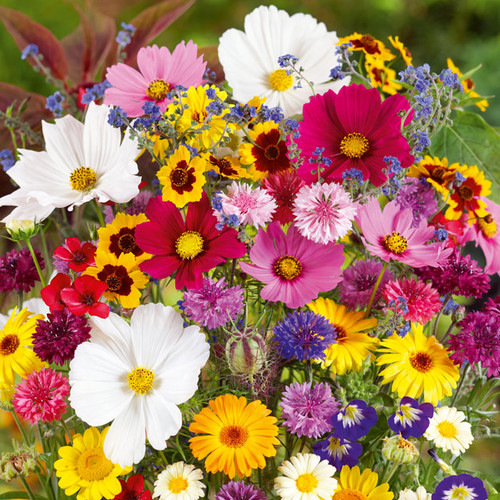
Edible Flower Garden Mix 5g (Calendula • Nasturtium • Borage) - Turn even the smallest balcony or windowsill into a vibrant edible flower garden. This colorful mix combines three easy-to-grow varieties that bloom quickly and bring both beauty and flavor to your space. Perfect for tropical climates, these flowers thrive in pots and small gardens, producing continuous blooms in just 6–8 weeks. Compact plants (30–60 cm) are perfect for containers, balcony rails, or small beds, while also attracting bees and pollinators. All varieties are edible and versatile — ideal for decorating desserts, salads, drinks, and even creating relaxing floral baths or natural food garnishes.
A great choice for beginners, small-space gardeners, and anyone who wants a beautiful garden that’s also useful in the kitchen. This vibrant trio offers a mix of colors, textures, and flavors:
Calendula ‘Pacific Beauty’: Ruffled golden-orange petals taste like buttery saffron – toss in rice, salads, teas or ice cubes;
Nasturtium ‘Jewel Mix’: Fiery red, orange, yellow trumpets with peppery watercress bite – stuff, pickle, salads, deserts or float in cocktails.
Borage ‘Blue Star’: Delicate sky-blue stars that taste like cool cucumber – freeze in ice cubes, garnish desserts, or calm with herbal tea.
Seed Content (approximate):
Calendula (2 g) → ~20–40 seeds
Nasturtium (2 g) → ~12–20 seeds
Borage (1 g) → ~50–80 seeds
Growing:
Germination:
Nasturtium ‘Gleam’ - Soak seeds in warm water for 12 hours before sowing (hard shell speeds up germination). Press seeds about 1 cm deep using a finger or pencil. Germination: 5–14 days.
Calendula - Scatter seeds on soil surface and press lightly into soil. Do not cover — seeds need light to germinate. Germination: 5–10 days.
Borage - Scatter seeds on soil surface and press lightly into soil. Do not cover heavily. Germination: 5–14 days.
Sowing Setup:
Use seed trays or sow directly into final pots. Place in bright indirect light or gentle morning sun.
Ideal temperature: 25∘C−30∘C. Mist gently to keep surface moist but never soaked.
☀️ Sun & Tropical Care:
Provide at least 6 hours of sunlight daily. Morning sun is ideal in hot climates. Use 30% shade cloth when temperatures exceed: 35∘C. Elevate pots on bricks during monsoon or heavy rain periods to improve drainage. Nasturtium can trail naturally or climb a small trellis up to about: 1 m.
Soil, Water & Feeding:
Container: Use 20–30 L pots with good drainage. One planting mix per pot.
Soil Mix: 50% potting soil - 30% compost - 20% perlite.
Watering: Keep soil evenly moist during germination. Water gently with a mist bottle for seedlings. Mature plants need approximately: 2.5 cm/week of water. Mulch surface with gravel to help prevent stem rot and splashing.
Feeding: Compost-rich soil is usually sufficient. Avoid excessive fertilizer, especially nitrogen-heavy feeds, as this may reduce flowering.
Growth & Harvest:
Calendula - Pinch plants at about 15 cm tall to encourage bushier growth. Harvest flowers fully open in the morning.
Nasturtium - Allow plants to trail or climb. Harvest both buds and blooms regularly.
Borage - Stake plants in windy locations. Harvest fresh flowers frequently. Plants self-seed easily for future crops.
Flower Production Tip: Pick flowers daily to encourage continuous blooming.
Pests & Prevention:
Common Issues - Overwatering can cause root rot and fungal problems. Poor airflow may encourage mildew in humid weather.
Prevention: Ensure excellent drainage. Avoid soaking the soil constantly. Space plants for airflow. Remove damaged leaves promptly.
Common Pests: Aphids on nasturtiums and calendula. Caterpillars on young seedlings. Slugs/snails during wet weather.
Natural Prevention: Inspect plants regularly. Hand-pick pests when possible. Use neem spray or insecticidal soap if infestations increase. Gravel mulch helps deter slugs and reduce fungal splashback.